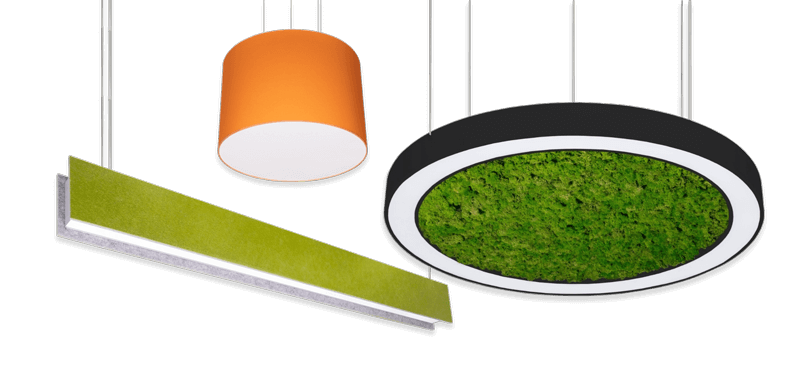
Balancing Acoustics and Aesthetics in Lighting Design
The Next Challenge for Lighting Designers
Balancing Aesthetics and Acoustics in Lighting Design
Lighting designers have always had a challenge making workplaces inviting, sustainable, and contributing to the well-being of employees. All lighting designers are well used to delivering the right lux levels to make an office environment both efficient and appealing. But contributing to helping reduce noise levels is an area in which lighting designers are now playing a part.
Context around noise levels offices
A typical office has a broad spectrum of decibel (dB) levels depending on the functions, layout, occupancy levels and activities occurring within it. Most design guides categorise offices into 4 broad groupings:
- Quiet Offices: 30–40 dB: A quiet office, often with closed cubicles or private offices, has sound levels similar to a quiet library. This range allows for concentration and minimal distraction.
- Normal Offices (Open Plan): 45–55 dB: In a typical open-plan office, sound levels can rise to about 45–55 dB due to conversations, typing, and other low-level background noise. This is often manageable but can still be distracting for some people.
- Active/Busy Offices: 55–65 dB: A busy office, especially during peak activity or in high-traffic areas, can reach 55–65 dB. This includes the noise from phones, meetings, office equipment, and background chatter, which can interfere with focus and productivity.
- Loud Offices: 65–75 dB: In high-activity areas or call centres, sound levels may go up to 65–75 dB. This level of noise can be intrusive, making acoustic solutions essential to help manage and reduce the impact on employees.
Generally, noise above 55 dB is where productivity can start to be impacted, especially in settings where concentration is key such as complex calculations, content production and the like. This challenge and achieving balance between collaboration and co-working environments where creativity is essential and that noise level of below 55dB is paramount for many organsations.
What are the Levers of Noise Reduction?
Effective noise suppression in an office uses a combination of several tools different materials.
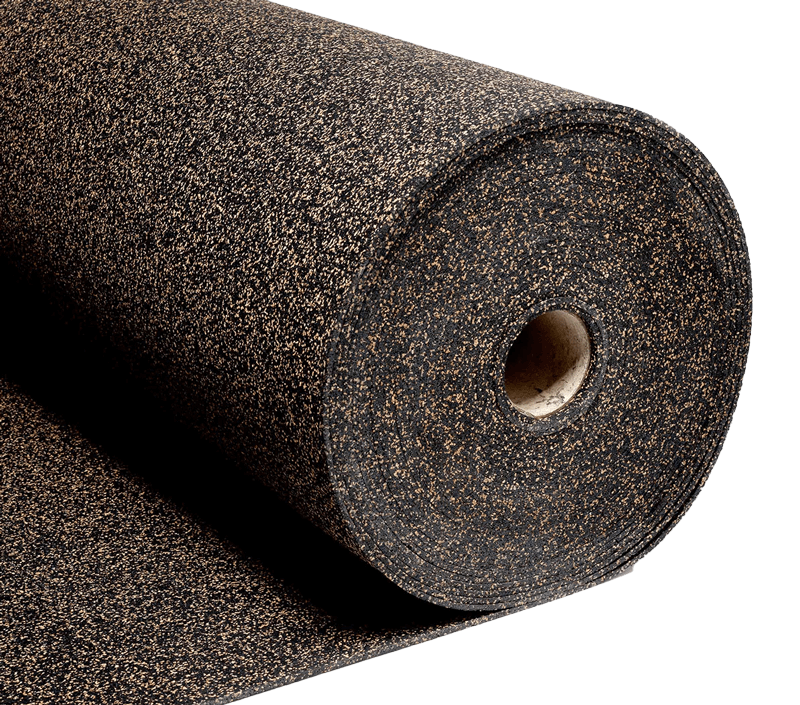
Carpeting and Floor Treatments
Historically this has been a major tool used by architects and interior designers and with the right coverings this can result in a noise level reduction from 3 to 7 dB. The evolution of floor coverings has resulted in high-quality carpeting or acoustic underlayment on hard floors. These can reduce impact noise and ambient sound levels, particularly in areas with significant foot traffic. Where wear and usage are less, thick carpets can lower sound levels even more.
Acoustic Lighting
This is a relatively new concept, and one that offers a similar range of noise reduction to sound-absorbing furniture (between 5 to 10 dB). In the next section I’ll look in more detail at some of the solutions our lighting experts can suggest in order to help achieve desired sound levels.
Acoustic Wall Panels and Coatings
These are probably the most significant tactic available and can result in a reduction of typically between 8 to 15 dB. These include covering walls with acoustic panels made from materials like wool felt, fiberglass, or using perforated wood products with sound-absorbing backing (to limit sound reflections and associated reverberations).
Acoustic Furniture
With a typical noise reduction range of between 5 and 10 dB, the actual furniture and fittings themselves have a key role to play in a noise reduction strategy. Using upholstered furniture, acoustic office dividers, and soft seating like couches and lounge chairs can help in sound dampening, especially in open or collaboration spaces.
In other areas such as outbound or inbound call handling areas, acoustic partitions around workstations or collaborative areas can absorb ambient noise, reducing overall sound levels.
By incorporating acoustic furniture into your office design, you can significantly improve sound quality and create a more productive and comfortable workspace.
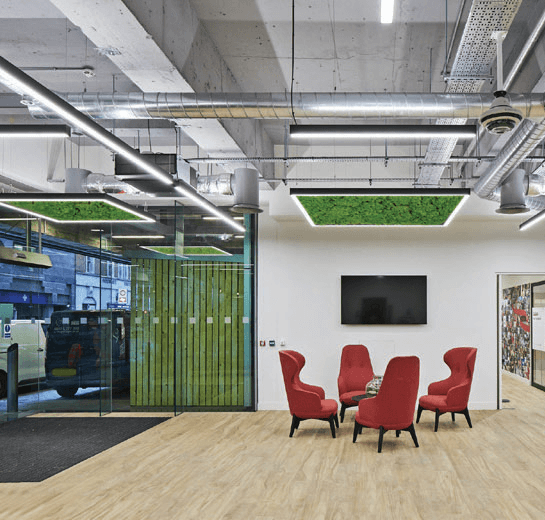
What are the elements at play in Acoustic Lighting today
There are 4 key attributes which influence the decibel reduction for acoustic lighting fixtures:
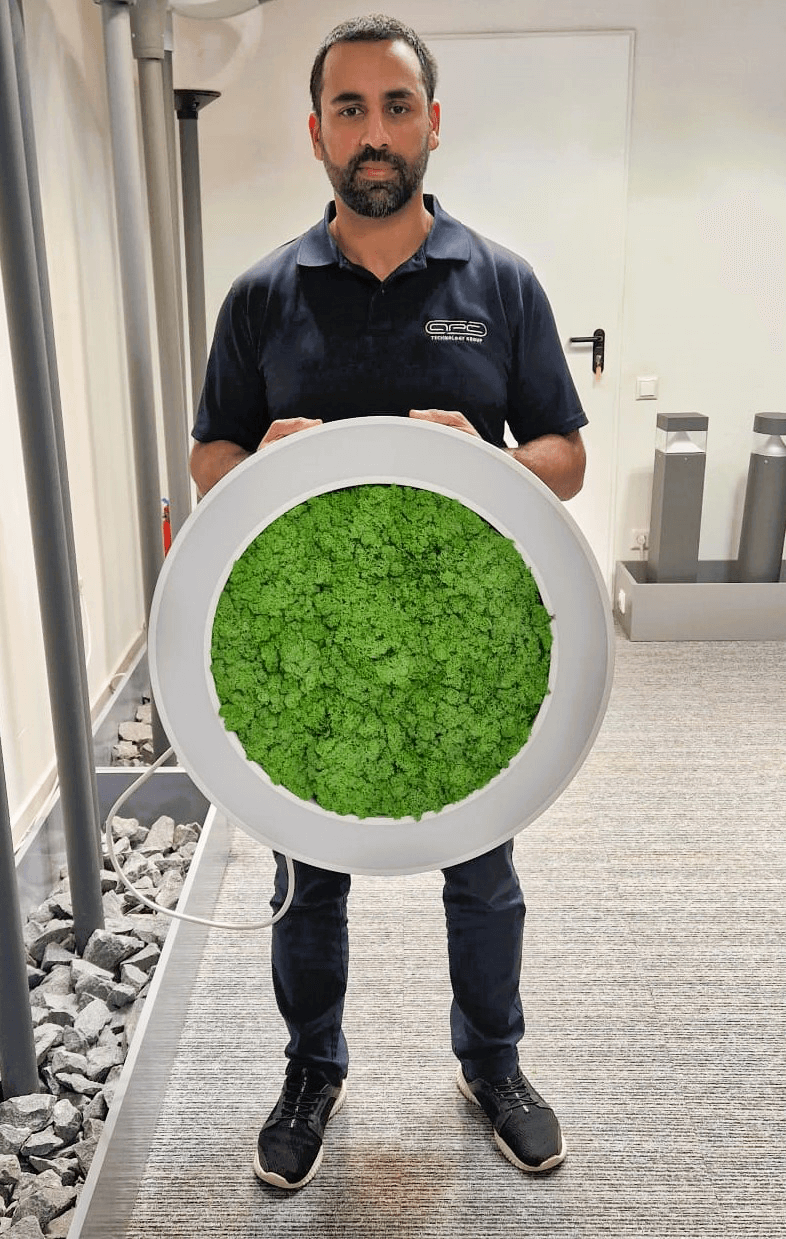
Material Choice
High-performance acoustic materials like PET felt, melamine foam, and wool felt can absorb a substantial amount of sound, depending on the sound frequency and setup.
Frequency Range
Larger or clustered acoustic light fittings with more surface area for sound absorption will generally offer greater noise reduction. The more coverage there is, the better the materials can absorb and dampen sound waves. This can be enhanced by use of reflective (and absorbent) panels above fittings or within a grid containing fittings – regardless of whether roof or suspended ceiling mounted.
Size and Surface Area
Larger or clustered acoustic light fittings with more surface area for sound absorption will generally offer greater noise reduction. The more coverage there is, the better the materials can absorb and dampen sound waves. This can be enhanced by use of reflective (and absorbent) panels above fittings or within a grid containing fittings – regardless of whether roof or suspended ceiling mounted.
Positioning
Placement of the fixtures in high-noise zones or above noise sources (like collaborative areas or conference rooms) will maximize effectiveness. Acoustic lighting closer to the sound source or at points where sound is reflected (like near walls) can also improve overall dB reduction.
Acoustic Lighting Solutions from Northcliffe

APC's Property Technologies team have been working with Northcliffe Lighting to provide commercial spaces in the UK with energy-efficient and reliable LED solutions for many years. Northcliffe's LED lighting range exceeds 5200 varieties of lighting fixtures for office, education and retail facilities, as well as for medical, industrial and outdoor environments.
Contact our Team about Acoustic Lighting
Contact our expert Property Technologies team for further information on our entire range of Northcliffe LED lighting and acoustic lighting solutions, including our turnkey design, supply and installation services.